 Housekeeping in an underwater habitat is a crucial part of habitability. It plays a primary role in maintaining the cleanliness of the habitat and thus the crew’s health and safety, which will consequently boost their morale, comfort, and productivity.
This chapter is divided into the following sections:
- General Considerations
- Habitat Specific Risk Areas
- Contamination Sources
- Housekeeping Tools
- Housekeeping Minimization through System Design
- Past and Present Housekeeping in On-Orbit Operations
Our extensive analysis and proposals are part of the design manual.
Entry image: Rlistmedia, CC BY 4.0 <https://creativecommons.org/licenses/by/4.0>, via Wikimedia Commons
 We are very happy that our proposal of an European Underwater Research Center has been qualified today by ESA to be presented for discussion and vote. So there is a realistic chance for funding of a detailed feasibility process leading to the construction of the first module(s).

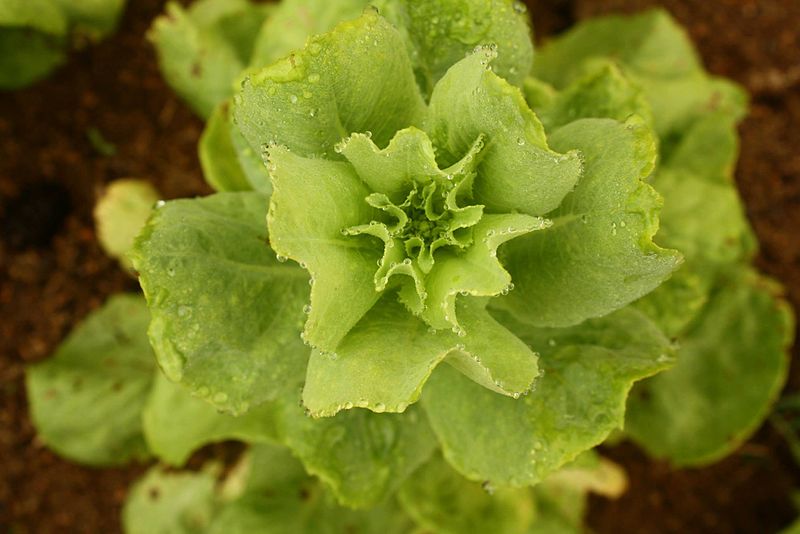 For long-term stays in an underwater station, a plan for ideal nutrition is required, which takes into account the special circumstances such as increased-pressure environments and reduced sunlight. This section will discuss the specific requirements and the resulting dietary recommendations, which include environmental considerations (avoidance of waste…), safety precautions (avoidance of contamination of the habitat atmosphere…) and alternative sources of supply (own production, finished products…). Some considerations will require a certain design of the corresponding habitat sections. Contact us for access to the whole article.
 We are happy to announce that Rob Bryan