![Osmunda Regalis, Christian Fischer [CC BY-SA 3.0 (http://creativecommons.org/licenses/by-sa/3.0)],](https://calamarpark.com/wp-content/uploads/2016/10/Königsfarn.jpg) Back in the late ‘80s, NASA was looking for ways to detoxify the air in its space stations. So it conducted a study to determine the most effective plants for filtering the air of toxic agents and converting carbon dioxide to oxygen.See more on GOOD Magazine. Or the corresponding pdf’s:
Back in the late ‘80s, NASA was looking for ways to detoxify the air in its space stations. So it conducted a study to determine the most effective plants for filtering the air of toxic agents and converting carbon dioxide to oxygen.See more on GOOD Magazine. Or the corresponding pdf’s:
- ntrs.nasa.gov: Plants Clean Air and Water for Indoor Environments
- ntrs.nasa.gov: Interior Landscape Plants for Indoor Air Pollution Abatement
Image: Osmunda Regalis, taken from Wikimedia, Christian Fischer [CC BY-SA 3.0 (http://creativecommons.org/licenses/by-sa/3.0)],
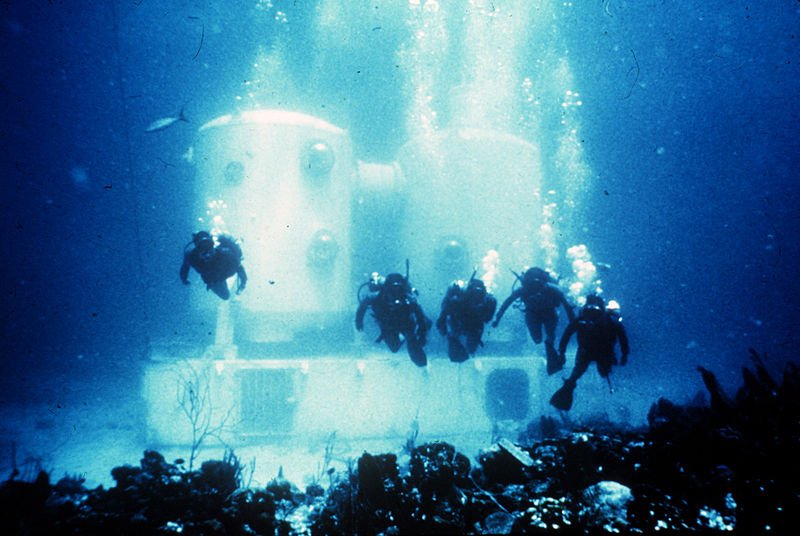 The Tektite habitat was an underwater laboratory which was the home to divers during Tektite I and II programs. The Tektite program was the first scientists-in-the-sea program sponsored nationally. The habitat capsule was placed in Great Lameshur Bay, Saint John, U.S. Virgin Islands in 1969 and again in 1970. Get all information on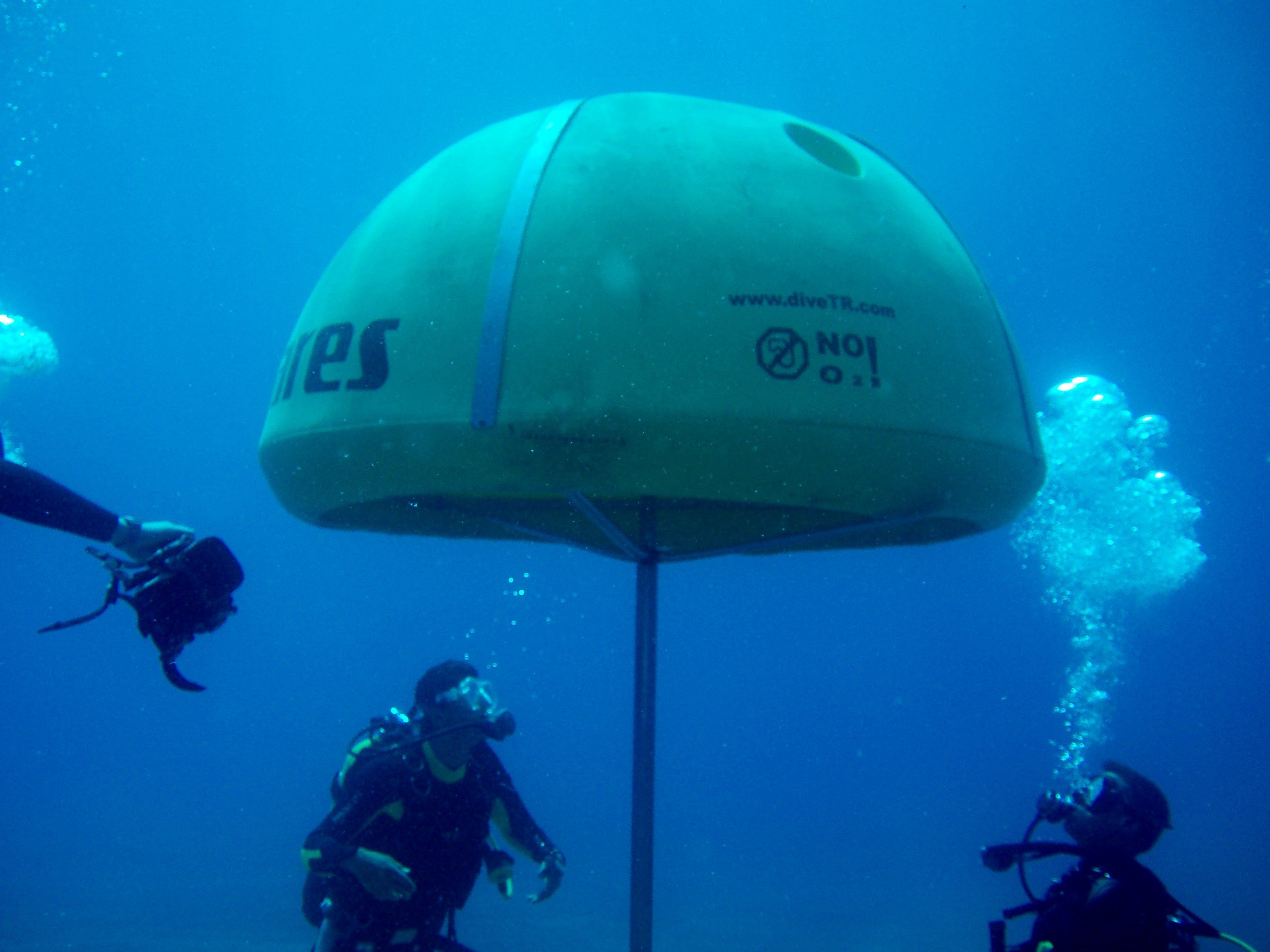
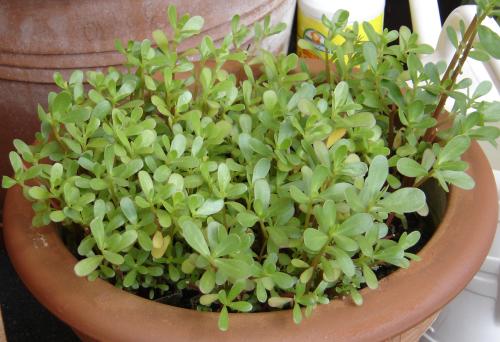 Growing plants in the undersea station will be very difficult. But the experiment below brought the following question to my mind: If the site of the station would be the Mediterranean, which is a subtropical environment, then the main season would be the summertime. During that period many crops would not grow due to sunlight intensity and heat. The project in the video might be an alternative to use the seawater as a light filter and cooling medium. Would it be worth to investigate?