
(Updated 29.11.2020; re-edit of the hatches chapter) Surely one of the most complicated area of an underwater structure for human occupation is the habitat entrance. It is the local water-air interface, vulnerable to changes in pressure by tidal movements on the surface of the sea; its hatches have to bare potential pressure differences between the habitat interior and the surrounding water; no object that is only a little bigger than the greatest diameter of the entrance can be brought into the habitat. It is constantly wet and humid and the only gateway for medical assistance. We divided it into the following sections:
- Trunk
- Underwater Acess Space
- External Hatches
- Moonpool
- Wet Room
- Other General Considerations
Our extensive analysis and proposals are part of the design manual.
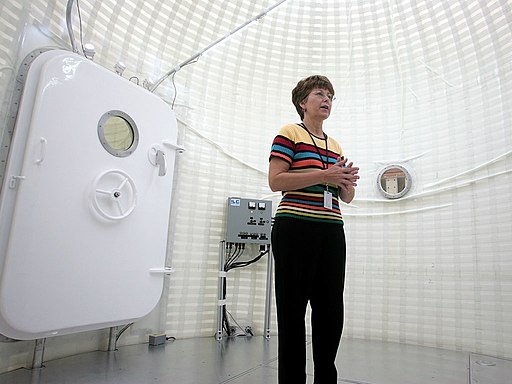
 To stay in an underwater habitat longer than 12 hours means to stay under saturated conditions, which requires an aquanaut decompression sequence of at least several hours. This decompression procedure is very critical: if any aquanaut gets into an emergency situation, there is no way to take him out of the chamber before the sequence is finished. If the procedure is badly designed there is no way to bring a paramedic into the chamber. For the period of several hours the aquanaut would be alone with his companion. Contact us for access to the full article.