 This section discusses design considerations for the layout and design of stowage systems inside an underwater habitat. It also provides the characteristics of a successful onboard inventory management system design. Such a system can track the quantity, location, and status (e.g., remaining useful life) of inventory items. The inventory management function is one of the primary elements of onboard information management.
This chapter is divided into the following sections:
- General Considerations
- Type & Locations
- Nonstandard Stowage
- Habitat Resupply
- Flexibility
- Central Storage vs. Distributed Storage
- Operability
- Accessibility
- Interference
- Labelling
- Inventory Management
Our extensive analysis and proposals are part of the design manual.
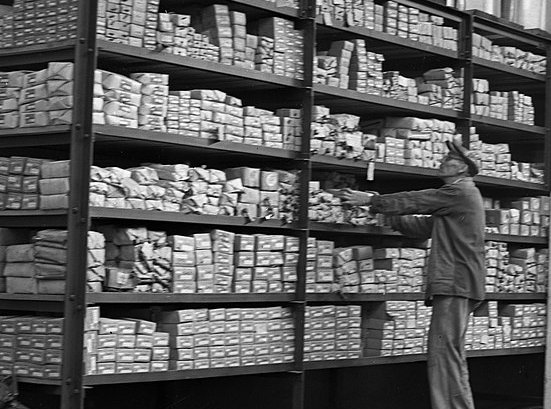
[Image: FORTEPAN / Lissák Tivadar / CC BY-SA (https://creativecommons.org/licenses/by-sa/3.0)]
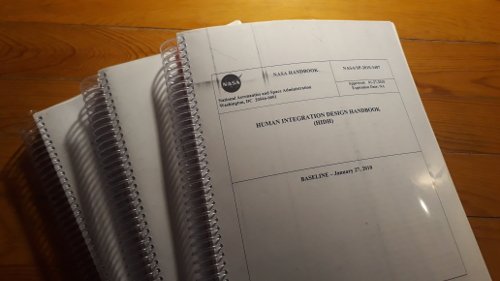
Note: This article contains adaptations from the NASA Human Integration Handbook (HIDH), NASA/SP-2010-3407. Since supplementary transports are not comparable to spaceflight, many considerations do not apply to underwater operations and therefore had been skipped.
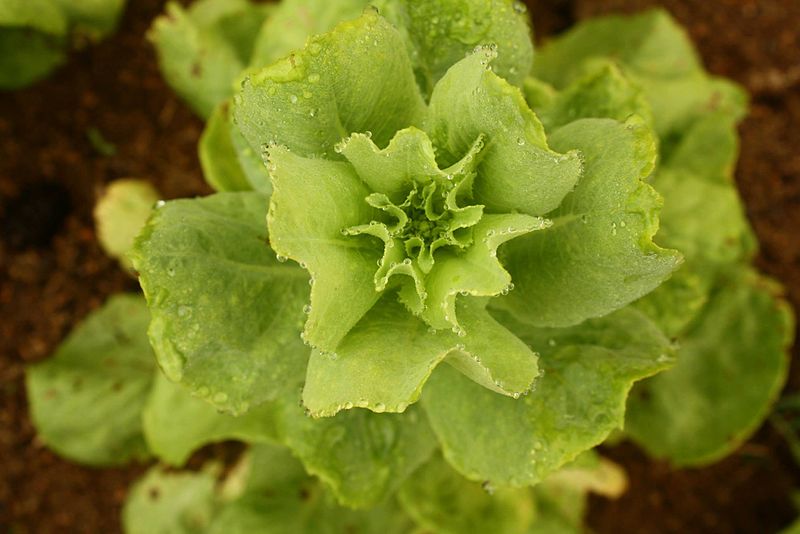 For long-term stays in an underwater station, a plan for ideal nutrition is required, which takes into account the special circumstances such as increased-pressure environments and reduced sunlight. This section will discuss the specific requirements and the resulting dietary recommendations, which include environmental considerations (avoidance of waste…), safety precautions (avoidance of contamination of the habitat atmosphere…) and alternative sources of supply (own production, finished products…). Some considerations will require a certain design of the corresponding habitat sections. Contact us for access to the whole article.



![Water Supply: Image by James Petts from London, England (Stream of water) [CC BY-SA 2.0 (http://creativecommons.org/licenses/by-sa/2.0)], via Wikimedia Commons](https://calamarpark.com/wp-content/uploads/2016/10/Water.jpg)