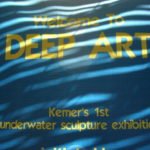
 As an initiative of IWM (International Watersports Management) we opened the Underwater Sculpture Exhibition Deep Art on 9th September 2005 in the bay of Kiriş 12m below sea level. Ergün Marble Industries financed the transportation from Eastern Anatolia to Antalya. Continue reading ““Deep Art” Underwater Sculptures”
Kemer Underwater Guide
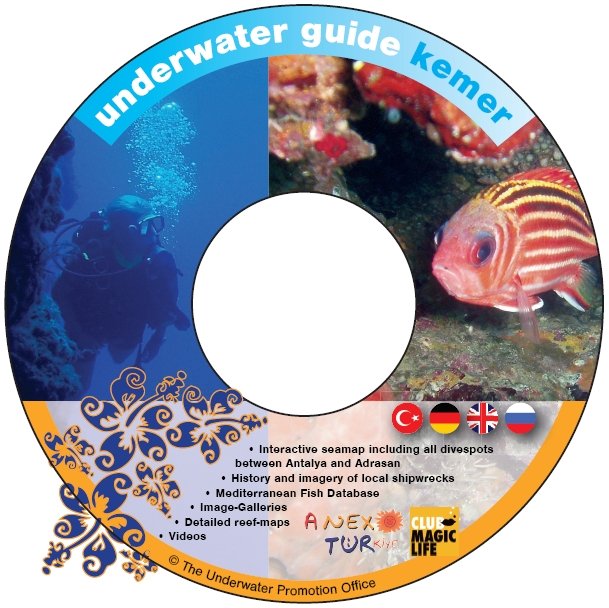 In 2007 we completed the interactive underwater guide for Kemer/Turkey including the regions Antalya City, Beldibi, Göynük, Kemer, Kiri?, Çamyuva, Tekirova (incl. the Environmental Park ‘3 Islands’) and Adrasan. The project was sponsored by ANEX Tour and Club Magic Life and used on various fairs as a promotion tool for the scuba diving tourism. By being programmed in HTML the guide was compatible with all computer systems. Continue reading “Kemer Underwater Guide”
Stanford’s Humanoid Diving Robot
Diving Bell ‘Medusa’
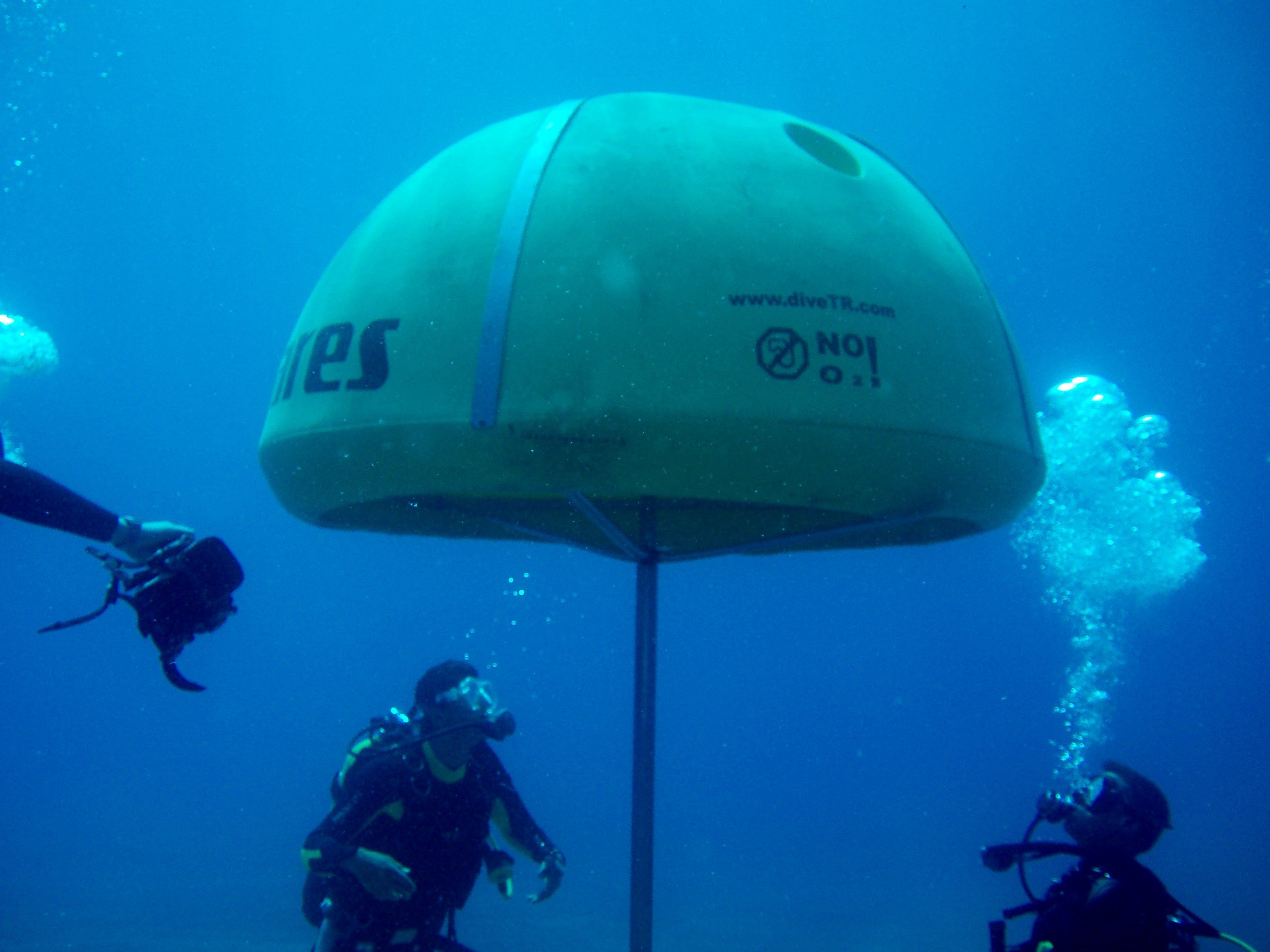 Together with the popular MARES Diving Center of IWM of Dieter Heinz in Antalya/Turkey we decided in 2006 to construct a simple diving bell for touristic purposes in a depth of appr. 9m. This diving bell would serve as an advertisement carrier, sales tool and later as a decompression stop bell if successfully positioned. It should last for at least two years being removed during six winter months. As a design we wanted the construction to follow the shape of a jelly fish and to look a bit futuristic. After agreeing and drawing the final design we calculated costs of 1000 € which included the umbrella, the skeleton, the counterweights and the working force. Continue reading “Diving Bell ‘Medusa’”
Nemo’s Garden Project by OCEAN REEF
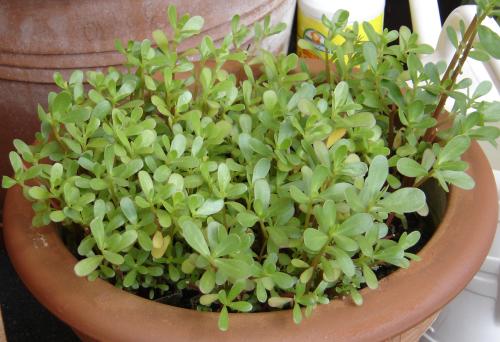 Growing plants in the undersea station will be very difficult. But the experiment below brought the following question to my mind: If the site of the station would be the Mediterranean, which is a subtropical environment, then the main season would be the summertime. During that period many crops would not grow due to sunlight intensity and heat. The project in the video might be an alternative to use the seawater as a light filter and cooling medium. Would it be worth to investigate?
Diving between continents
 Silfra on Iceland is the only place where you can dive or snorkel directly in the crack between the two continental plates of North America and Europe. Visit dive.is for more.
CO2 Scrubber
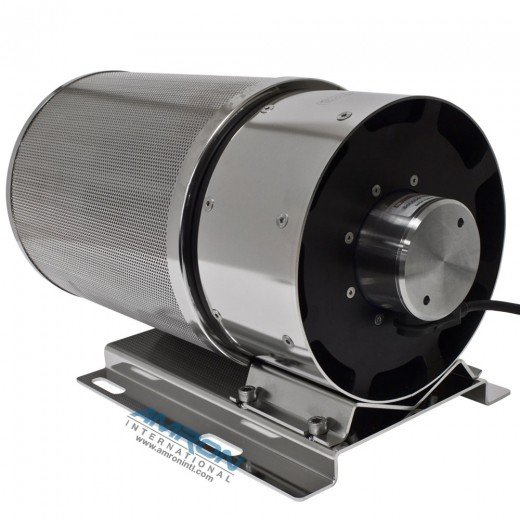 Longer stays in an underwater station require systems to filter out Carbon Dioxide (CO2) from the air that is exhaled by the aquanauts. These CO2 scrubbers generally consist of a fan that pulls air through a canister filled with Carbon Dioxide (CO2) adsorbent, such as Sodasorb or Sodalime. To get a rough idea about CO2 scrubbers and their prices visit the webpage of AMRON International.
Sperm Whales Sleeping
Undersea Station: Operational Depth
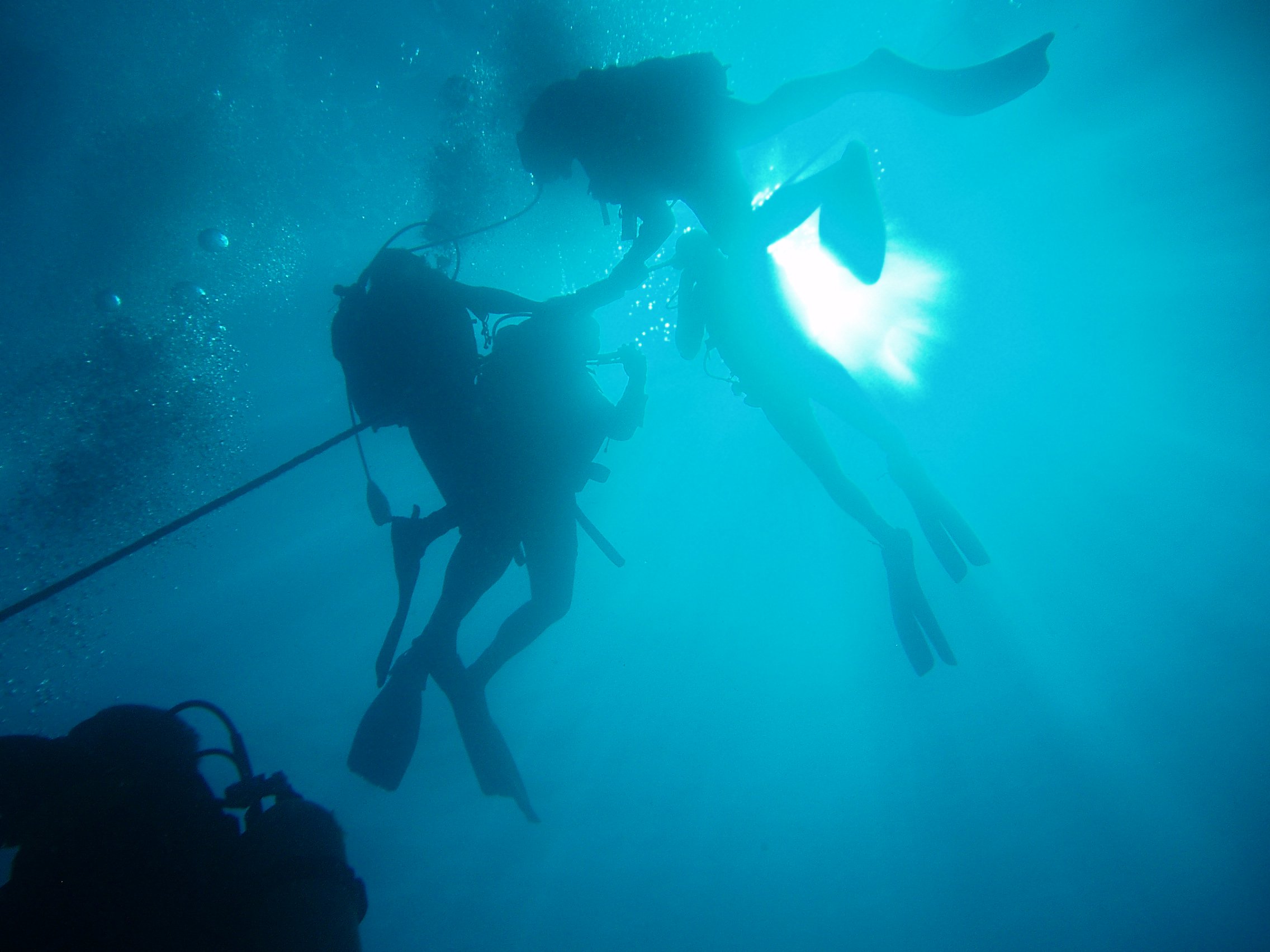 The operational depth of the station correlates with the targeted type of users and the desired decompression schedule. There are different alternatives with their own benefits and disadvantages, which are pointed out in this chapter.
Our extensive analysis and proposals are part of the design manual.
Undersea Station: Ballast

Keeping an air filled structure on the sea-floor is more difficult than one would think. Especially during the lowering process major difficulties occurred on previous stations. We can calculate about one kilo of weight (negative buoyancy) per liter of air inside the station (positive buoyancy). The dimensions are huge: imagine a space of 50 m² with a height of 2m, which equals 100 tons of counterweight. At the same time it has to be considered, that these weights have to be lifted again in the end of the mission. For ecological reasons we should find a way to leave the weights on the site and to use a material that would not harm the environment.
Our extensive analysis and proposals are part of the design manual.